UX Research
Product Design
Brand Exploration
Google UX Certificate • Concept
A holistic UX/UI and brand exploration project focused on empowering outdoor enthusiasts with clarity, personalization, and community support.
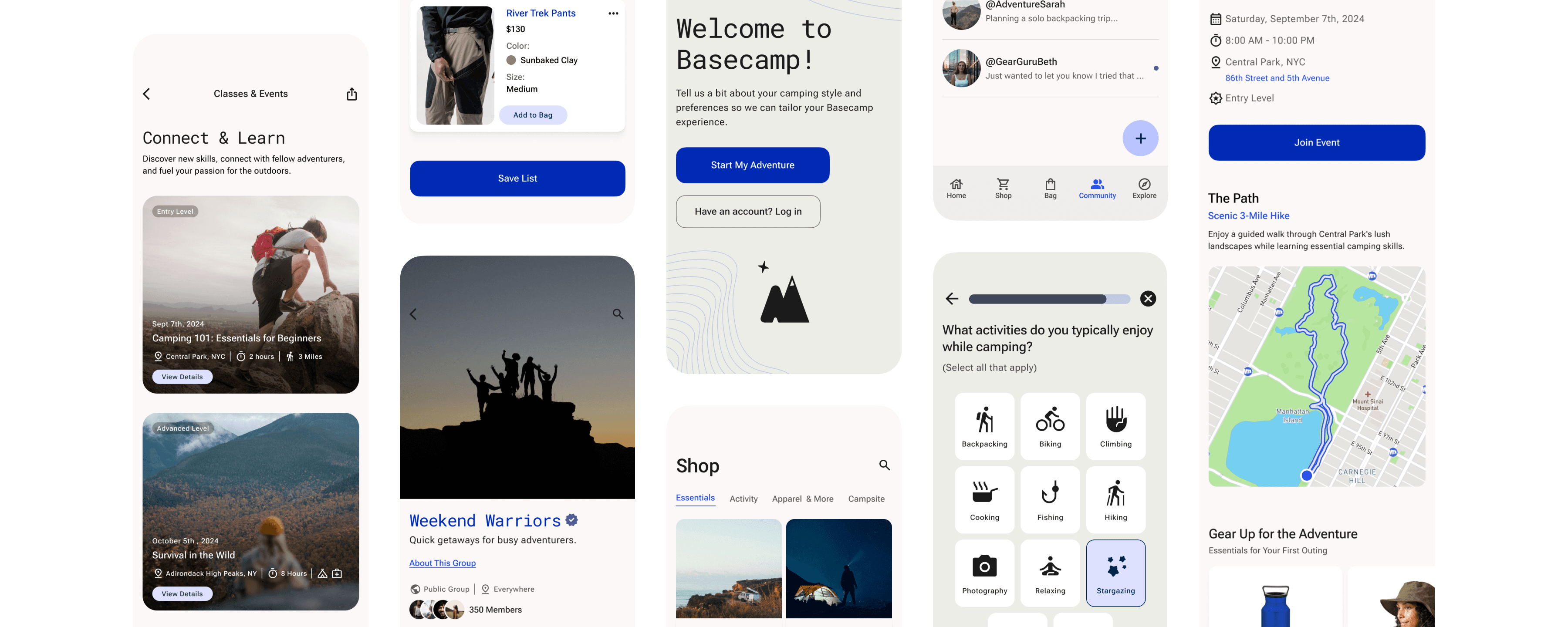
Basecamp is a concept designed to bridge the gap in the outdoor gear and adventure market by offering a personalized, confidence-building experience for users of all levels. Through thoughtful research and design exploration, Basecamp combines tailored gear recommendations, expert insights, and a supportive community to simplify planning and elevate outdoor confidence.
My Role
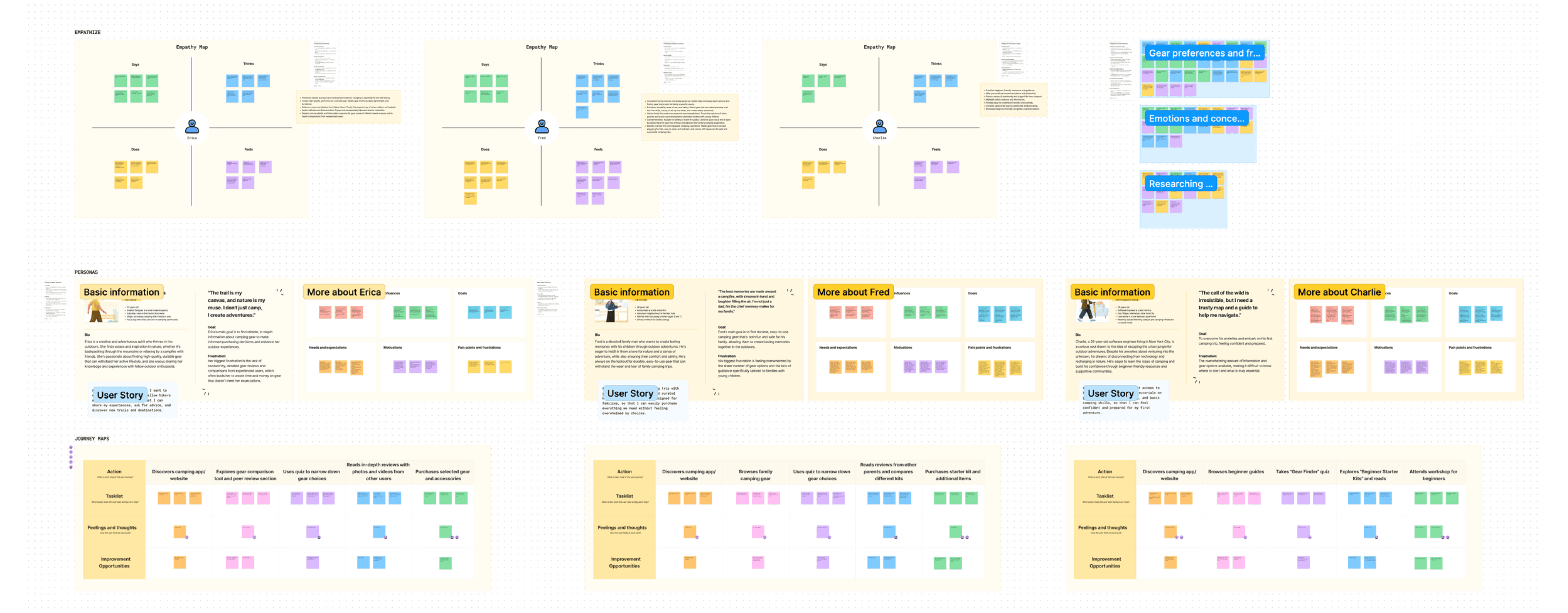
Conducted user research and persona development
Performed competitive analysis and opportunity synthesis
Designed UX flows and feature concepts for exploration, gear recommendations, and community engagement
Iterated UI prototypes based on usability feedback
Crafted brand identity elements and visual language to support the product vision
The Challenge
The outdoor industry is fractured by overwhelming information, impersonal shopping experiences, and limited guidance for first-time or returning campers.
Outdoor enthusiasts—whether beginners, families, or experts—faced difficulty finding relevant gear, clear guidance, and a sense of community. Basecamp’s challenge was to unify these fragmented experiences into a single platform that feels intuitive, approachable, and trustworthy.
This project involved collaboration with:
Users through research interviews and testing
UX researchers (surveys and qualitative feedback)
Product strategy alignment on problem framing
Visual design thinking to bridge brand + UI work
The insights from these cross-disciplinary interactions shaped both product and brand direction, reinforcing a holistic design approach.
This project focused on synthesizing user research, product strategy, and brand expression into a cohesive concept experience. Rather than treating UX and visual identity as separate efforts, the work explored how interaction design, content structure, and visual language could reinforce one another to create clarity, trust, and emotional resonance.
Insights from research directly informed both feature decisions and brand direction, ensuring the experience felt intentional, approachable, and aligned with user needs across the product.
Overwhelmed and anxious about camping
New campers and families feel overwhelmed and hesitant due to the lack of knowledge and fear of the unknown.
Desire for reassurance and guidance
Campers crave support, advice, and a sense of community to feel more confident in their outdoor adventures.
Frustration with existing gear resources
Campers are frustrated with the lack of in-depth and trustworthy gear information available online.
Concerns about safety and durability
Campers prioritize safety and durability in their gear choices, looking for equipment that can withstand challenging conditions.
User Research & Insights
Conducted interviews and surveys to understand user motivations, pain points, and decision drivers.

Expert Erica
Erica, 32, is an experienced backpacker in the Pacific Northwest.

Family Fred

Curious Charlie
Charlie, 26, is a tech-savvy urbanite living in the heart of New York City.
Persona Development
Created key segments including expert, family, and novice user archetypes to guide product decisions.
Competitive Analysis
Mapped the strengths and weaknesses of existing outdoor gear platforms, uncovering opportunities to blend personalized recommendations with community features.
UX Design Iterations
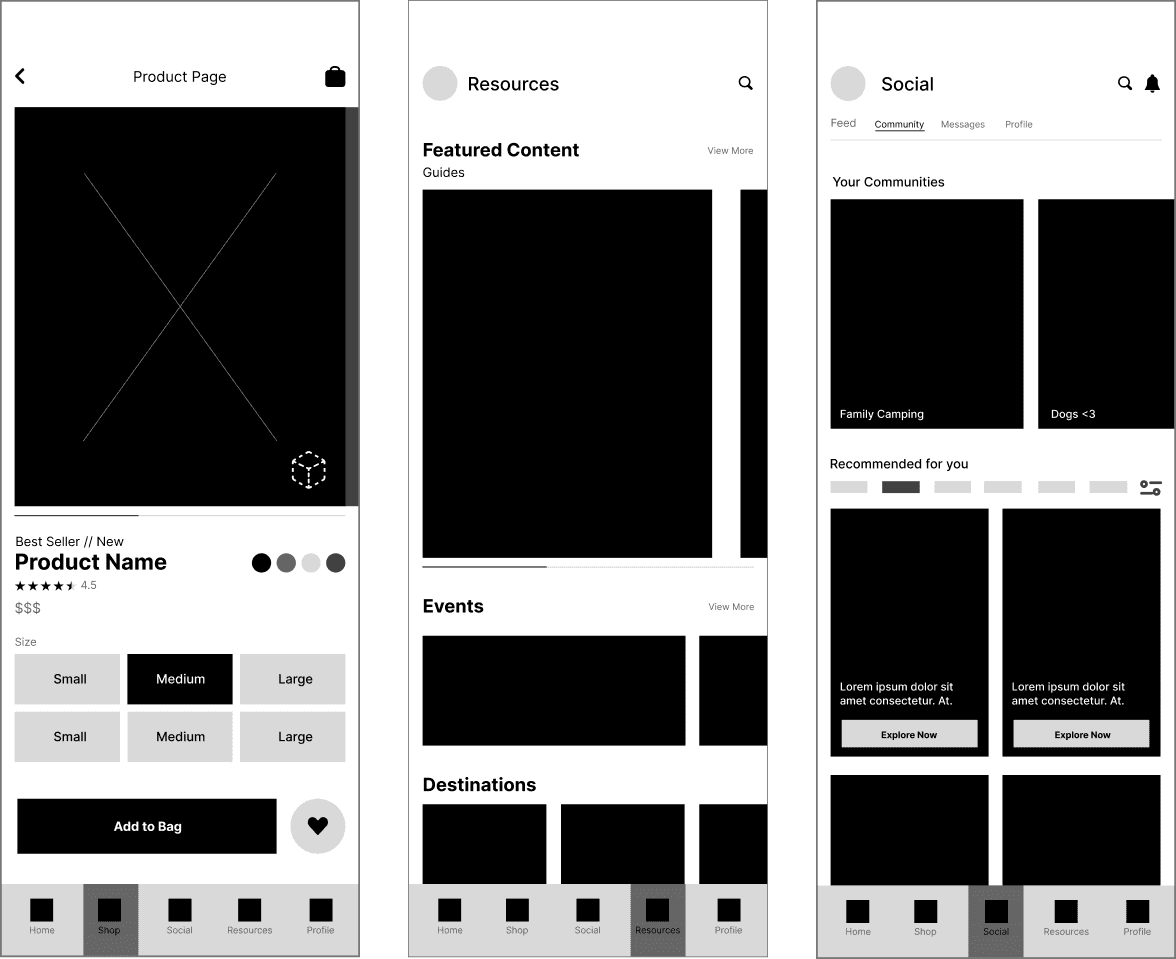
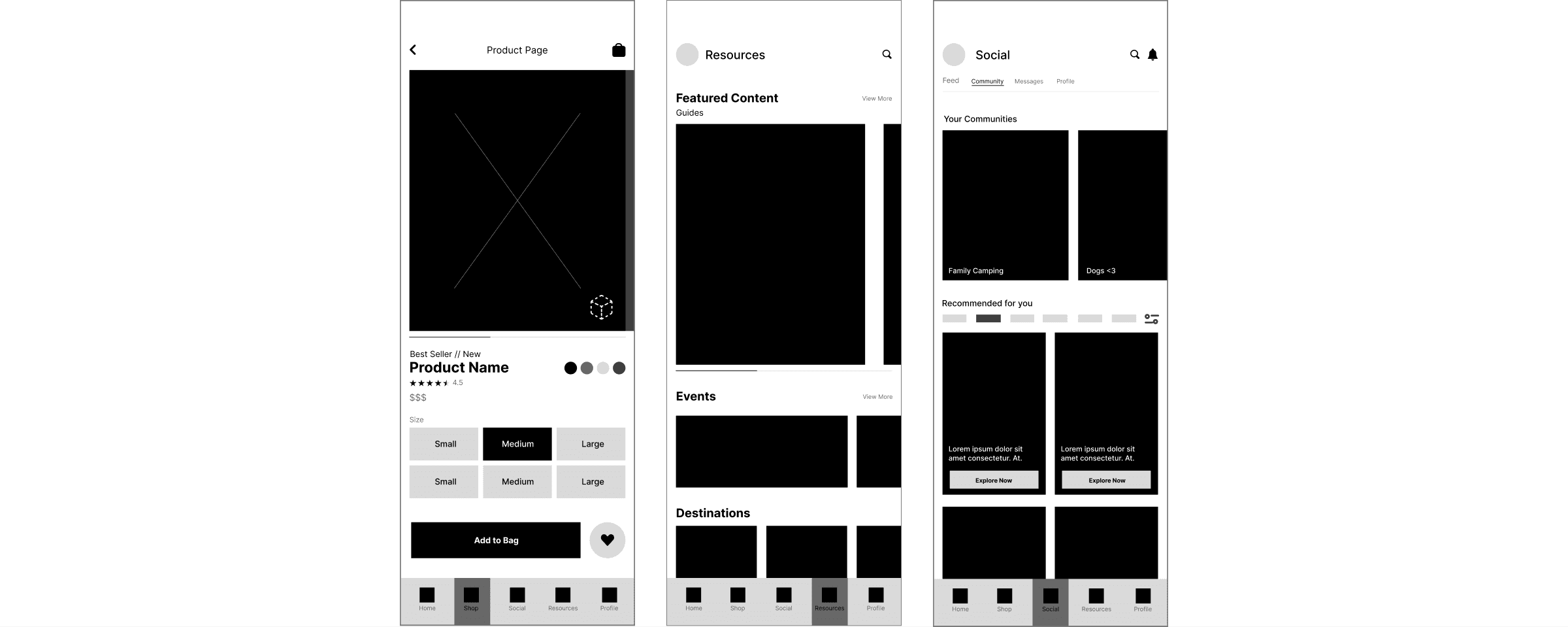
Built wireframes and conducted usability testing on core flows such as navigation, picking gear, and community engagement. Feedback directly informed navigation refinement and feature prioritization.
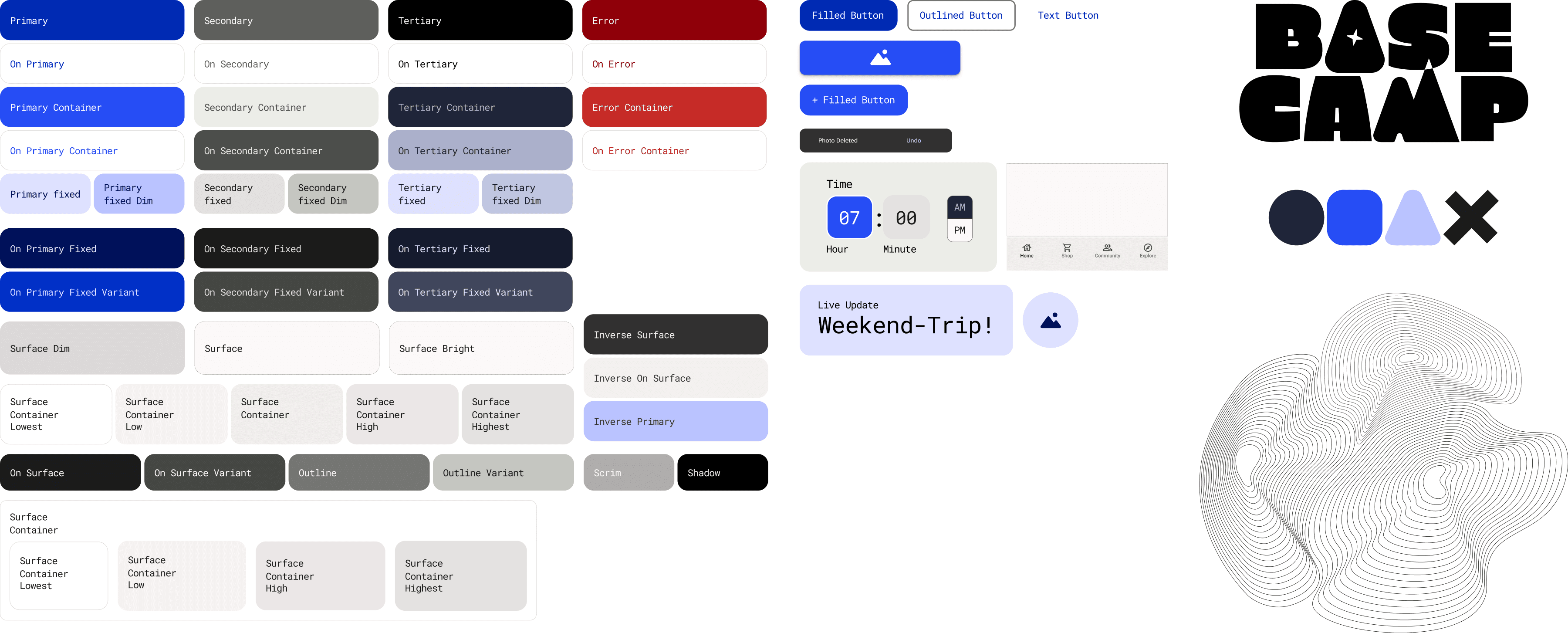
Brand Identity & Visual Language
Defined a visual identity inspired by the spirit of exploration: vibrant palettes, geometric motifs referencing landscapes, and typography that balances modern clarity with an adventurous tone.
A concept platform that emotionally and functionally bridges gear discovery and community support
Established a clear hierarchy of user needs, anchored around confidence and personalization
UX flows refined through iterative feedback and testing, improving navigation clarity
A vibrant visual identity that supports product storytelling and brand cohesion
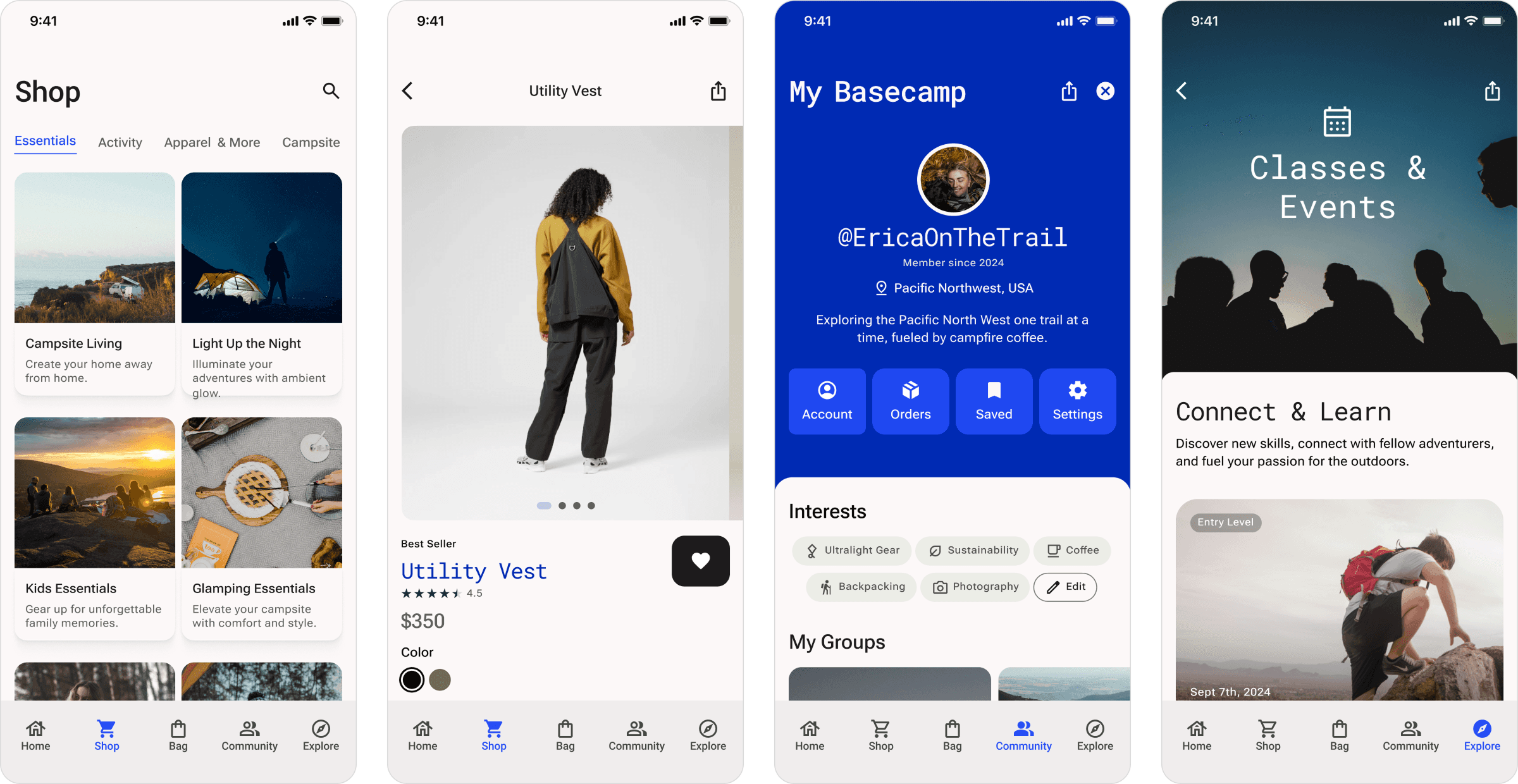
While the Basecamp concept remains a prototype, the work demonstrates:
Skill in research-informed UX design
Ability to synthesize quantitative + qualitative data into product direction
Comfortable working across both UX/UI and brand identity domains
This case study also clearly shows how your approach to problem framing, persona definition, and iterative validation informs your product design thinking, even in non-released work.
Product design must meet real human emotions — confidence, clarity, and belonging
Early research and persona framing dramatically reduce ambiguity in later UX decisions
Blending brand and product thinking creates more compelling, cohesive user experiences
Rapid iteration with user feedback is non-negotiable for meaningful outcomes
hello@designbyfrancisco.com
Senior Product Designer · New York

© 2026 Francisco Vivar · All rights reserved